The world of digital entertainment today is undergoing a fundamental transformation, in which competition has become the central axis of the entire industry’s development. What was once a niche hobby for a narrow circle of gamers has evolved into a global cultural phenomenon that now dictates the rules of the game for streaming platforms and software developers alike. Modern online competitions integrate cutting-edge technologies and psychological mechanics, turning passive content consumption into active participation in virtual life. This evolution is blurring the boundaries between traditional sports and gaming, creating a new ecosystem where the thrill of competition and social interaction serve as the main market drivers.
The Psychology of Ranking Systems and Audience Engagement
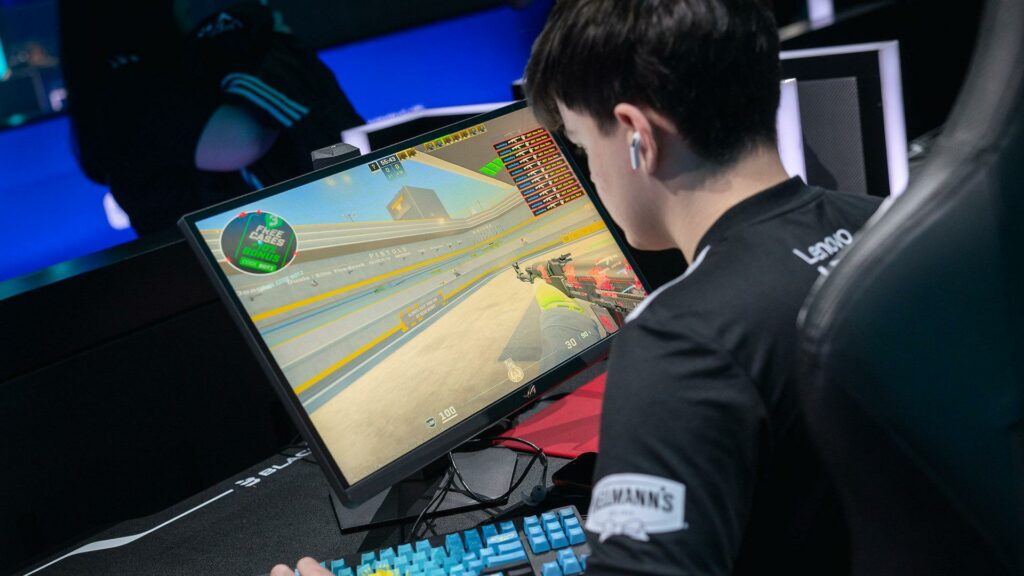
Modern digital competitions rely on sophisticated ranking algorithms that push players into continuous cycles of self-improvement. In Counter-Strike 2, CS2 ranks have evolved far beyond a simple measure of mechanical skill, becoming a powerful symbol of social status within the global community. Each tier—from Silver divisions to elite Premier ranks—represents hundreds of hours of practice, strategic refinement, and team coordination. This structure creates a strong psychological loop in which victories provide immediate emotional rewards, while defeats motivate players to return and improve.
Developers leverage ranking systems to maintain an optimal difficulty curve and a sustained sense of progression, often described as a state of “flow.” Clear, transparent ranks keep motivation high while enabling entire ecosystems of guides, analytics, and training platforms to emerge. The same competitive logic now extends beyond gaming into fitness and educational apps, demonstrating that ranked progression has become a universal engagement tool. By 2026, competition for higher positions functions as one of the most effective retention mechanisms, turning digital products into ongoing challenges where the next goal is always just within reach.
Streaming and Esports: A New Era of Interactive Television
The growth of online tournaments has given rise to an entirely new media format—esports broadcasts—which in terms of viewership have already begun to surpass the finals of traditional sports leagues. Today, broadcasting a major championship is a complex, high-tech show featuring virtual studios, analytical panels, and real-time interactive infographics. The key difference from traditional television lies in full viewer engagement: through live chats, interactive predictions, and instant polls, viewers feel like co-creators of the event rather than passive observers.
Platforms such as Twitch and YouTube have transformed into digital stadiums, where the line between professional players and fans grows increasingly thin. Thanks to co-streaming features and first-person perspectives, viewers gain unprecedented access to the emotions and thoughts of their idols during the most critical moments of matches. This creates a new type of loyalty—fans no longer support just teams, but individual player brands, opening enormous opportunities for marketing and sponsorship. Companies are no longer simply buying ad slots; they are integrating themselves directly into gameplay, becoming part of the competitive narrative.
Technologically, the industry is moving toward full immersion. By 2026, multi-camera broadcasts have become standard practice, allowing users to choose their preferred viewing angle—from a player’s helmet cam to a bird’s-eye view of the entire map. Add augmented reality (AR) overlays that display player statistics directly on your screen, and the result is a product that outperforms traditional sports in both dynamism and informational depth. This is no longer just entertainment—it is a technological marvel that is redefining global content quality standards.
Social Integration Through Digital Tournaments
Online competitions have become a primary tool of socialization for Generation Z and Generation Alpha. In an era of global digitalization, game lobbies and tournament chats have replaced traditional social spaces. The formation of teams, clans, and guilds creates strong social bonds that extend beyond the screen. Participating in a tournament is not only about winning a prize—it is a shared experience of overcoming challenges together, bringing people closer across continents, cultures, and social backgrounds. Competitions act as a form of “social glue,” generating exceptionally high levels of user loyalty to platforms.
By 2026, digital entertainment platforms increasingly resemble full-fledged social networks with internal economies and hierarchies. The ability to showcase achievements, earn unique rewards from seasonal events, or simply find teammates for an evening match makes online competitions the foundation of community building. This has led to the rise of “micro-influencers”—players who may not be global stars but hold significant authority within their niche communities thanks to strong competitive results.
Additionally, online competitions help overcome geographical and physical barriers. For many users, they represent the only opportunity to feel part of a large-scale global event without leaving home. Developers actively support this trend by introducing one-click tools for creating local tournaments, allowing any group of friends to turn a casual evening into a structured competition with professional-level organization. As a result, competitiveness becomes not just a gameplay mechanic, but a core element of modern communication culture, where virtual success translates into real social capital.
Technological Breakthroughs and the Future of Virtual Arenas

The explosive growth of online competitions has become a powerful catalyst for the hardware and networking industries. The demand for ultra-low latency has forced telecom giants to accelerate the rollout of 5G and 6G networks, while developers search for new optimization techniques. Today, even a millisecond of lag can cost victory in tournaments with multi-million-dollar prize pools, making connection stability a critical quality-of-life factor for modern digital users.
Artificial intelligence plays a dual role in this process. On one hand, it serves as the “all-seeing eye” of anti-cheat systems, ensuring fair play by analyzing the behavior of millions of players in real time. On the other, AI acts as a personal coach, reviewing match data and providing actionable feedback for improvement. This lowers the entry barrier for newcomers, making competitive environments more accessible and expanding the player base. Virtual worlds are becoming more dynamic and adaptive, responding to player actions in real time.
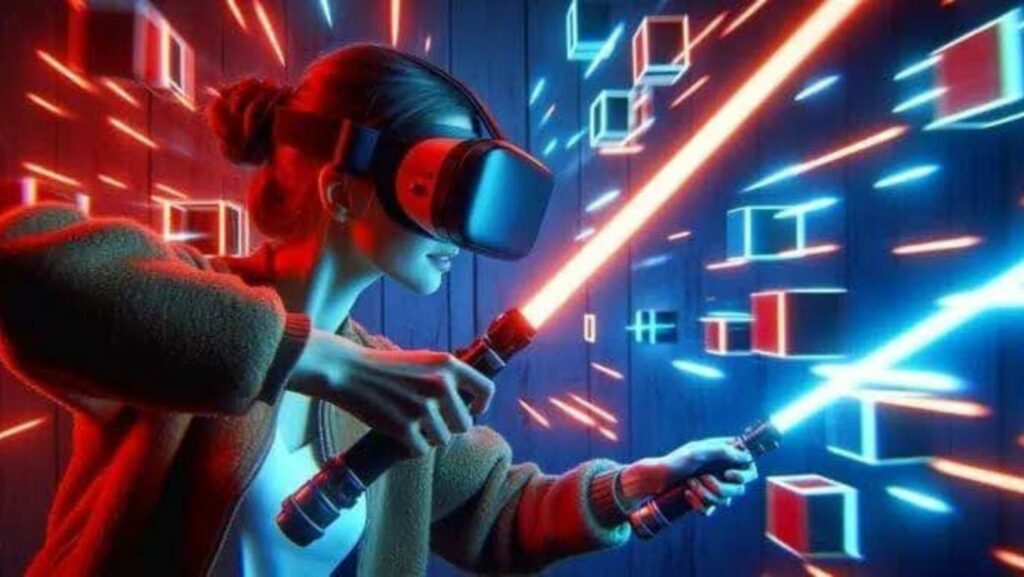
Looking ahead, we see full integration of competitions into metaverse environments. Imagine a virtual arena where tens of thousands of users wearing VR headsets watch a clash of titans while standing literally inside the game map. This is no longer a distant prediction—it is a reality already taking shape. Cloud gaming enables even the most complex competitive titles to run on standard smartphones, making digital entertainment truly inclusive. Technology is no longer a limitation; it has become the wings that allow humanity’s competitive spirit to soar to new heights in the digital sky.
Conclusion
Online competitions have become the key driving force behind digital entertainment in 2026, transforming passive content consumption into an interactive and engaging experience. Through structured progression systems and rapidly evolving streaming technologies, competitive mechanics now permeate the digital space, driving constant innovation. This shift has raised industry quality standards while creating a new social reality in which virtual achievements hold real value and digital arenas function as hubs of global interaction. Looking ahead, the influence of competitive systems will continue to expand, solidifying esports principles as a foundation for metaverses and next-generation interactive media.