
Our digital habits have affected our lives in many ways. Take playing casino games as an example. Ever since it became possible for people to enjoy casino online Australia games, they no longer feel the need to go to physical casinos as much, as the online versions are more convenient and affordable. The same goes for education. Students no longer have to travel miles to learn new skills and can instead sign up for online courses. And the list of conveniences goes on, which explains why we continue to adopt digitalization in almost everything.
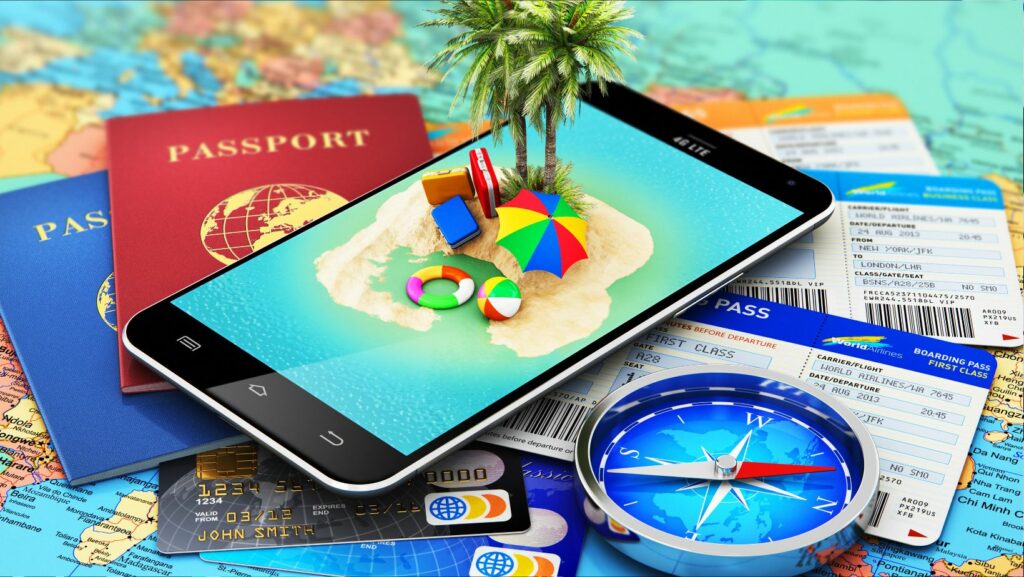
But have these effects gone as far as changing our travel culture? The answer is yes. Let us look at how digital habits have transformed the way we travel and why.
Are Digital Habits Changing How We Travel?
Travel comes with all sorts of perks, from experiencing new cultures to learning new languages and challenging our beliefs. And in the past, we would rely on travel magazines and shows to guide us on what we could expect in each destination. Now, our insights and experiences tie to our digital habits. How so? Well, our digital habits dictate the following:
Why We Travel.
Previous travel advice focused on where people could explore, and it highlighted the pros and cons of each destination. Once it laid the foundation, people packed their bags and set off to tour these destinations on their own terms. And in the process, they discovered hidden gems and tourist spots that were core parts of their memories.
But that is no longer the case. Thanks to the wealth of information available online, following years of travel blogs and videos, people already know which destinations top the charts. And they have already vicariously visited these places by liking and sharing the travel photos and videos they have seen online. What they now want is a chance to experience the travel moments that stood out to them the most, such as:
- Visiting specific locations, e.g., spots where they can take great pictures.
- Catching a viral show.
- Trying a viral food.
These and other top travel moments attract a lot of online engagement, which is great for travel content creators. But even for the everyday traveler, being in these viral spaces is akin to joining a trend, and it carries a sense of belonging that appeals to people who are part of the online travel community.
How We Plan Our Travels.
If you wanted to travel abroad in the past, you had your work cut out for you. Not only did you need to figure out your flights, but you also needed to hone in on getting accommodation, figuring out what you would do, and making a list of restaurants where you could eat. For many people, all that planning was stressful, and that was why a majority of travelers chose to delegate this role to travel planners.
With the rise of artificial intelligence (AI), travelers have learned that they no longer have to do all the heavy lifting by themselves, as there are many AI tools that can serve as their travel assistants. But what can they do? For starters, they excel in offering recommendations regarding travel destinations, hotels, and flights. Secondly, they can implement travel plans on your behalf, such that you can trust them with doing things such as:
- Reading your calendar and syncing it with your travel schedule.
- Predicting disruptions you may face during your trip, e.g., a change in the weather.
- Automatically rebooking missed connections or dinners.
With these and other abilities, AI has soon become a trusted assistant in travel planning. Travel planners, too, have integrated these systems into their services so as to have an easier time managing clients’ expectations.
How We Stay.
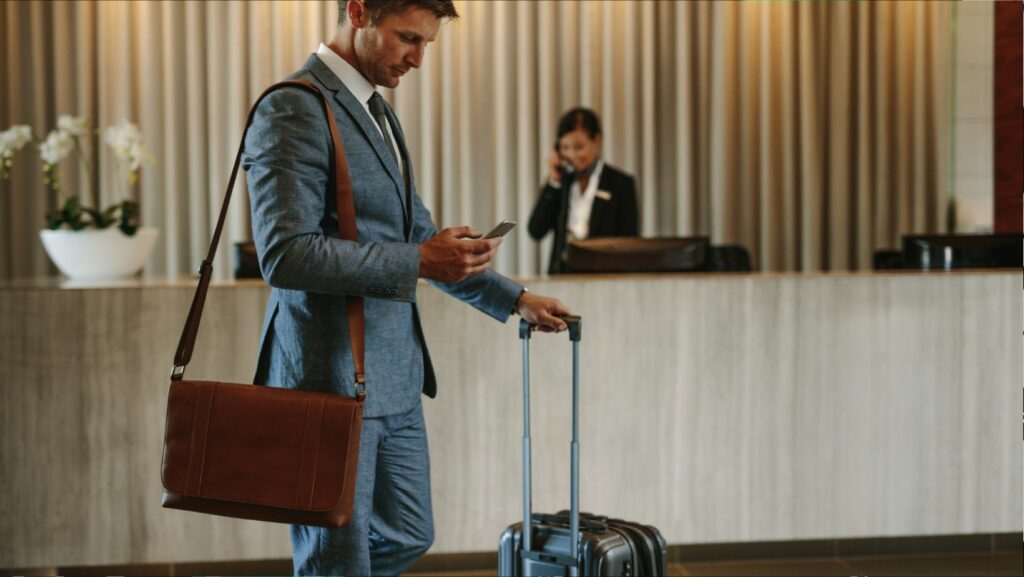
Thanks to technologies like machine learning, we have grown accustomed to personalized experiences. Whether we are using social media or streaming movies, we trust that the AI tools in use know us well enough to recommend services that we would enjoy. So, over time, travelers have demanded the same of their accommodation, more so when it comes to hotels, and this has led to the growth of the Pick and Stay model.
But what is this? Well, this model allows travelers to customize their own rooms before they arrive. For example, if a traveler needs a workspace, they can request one. Or if they need fitness equipment, they can have it added to their room. These small touches ensure that every traveler has a unique experience that matches their wants and needs instead of getting the standard experience that may not augur well with what works for them.