Rain drums on the roof of a Galway pub. You’re sipping a pint, cheeks flushed from the wind, and a fiddler’s tune spills through the door. This isn’t a postcard moment—it’s real, and it’s yours. If you want to collect memories like this, you need more than a list of “top ten castles.” You need honest, practical Ireland travel tips that help you feel the country’s pulse, not just see its sights.
Who Should Visit Ireland—and Who Shouldn’t
If you crave sunbathing, Ireland might test your patience. The weather changes its mind every hour. But if you love wild coastlines, friendly strangers, and stories in every stone, you’ll fit right in. Ireland rewards curiosity and a sense of humor. If you’re the type who laughs when your shoes get muddy, you’ll thrive. If you need everything to run on time, you might struggle. Here’s the part nobody tells you: Ireland’s magic lives in its unpredictability.
Weather: Prepare for Four Seasons in a Day
Let’s break it down. Irish weather is a character in your story, not just a backdrop. Pack a rain jacket, not an umbrella—the wind will flip it inside out. Bring layers: a warm sweater, a light waterproof, and shoes you don’t mind getting wet. I once wore new white sneakers in Dublin. Big mistake. They turned gray by lunchtime. If you want to blend in, wear dark colors and a wool hat. Locals rarely use umbrellas, and you’ll see why.
Getting Around: Trains, Buses, and the Joy of Getting Lost
Public transport in Ireland is reliable in cities, but rural areas run on their own schedule. Trains connect Dublin, Cork, Galway, and Belfast. Buses reach smaller towns, but don’t expect them every hour. Renting a car gives you freedom, but driving on the left can feel like a video game at first. I once took a wrong turn and ended up at a sheepdog trial. Best detour of my life. If you’re nervous about driving, stick to trains and buses, but leave room for surprises.
Car Rental Tips
- Book automatic cars early—they’re rare and cost more.
- Check if your credit card covers insurance. Irish rental insurance is expensive.
- Country roads are narrow. Go slow, and pull over for tractors.
Money Matters: Cash, Cards, and Tipping
Here’s why you shouldn’t rely on cash alone: most places accept cards, even in small towns. But carry some euros for rural pubs or markets. ATMs are easy to find in cities. Tipping isn’t mandatory, but rounding up or leaving 10% in restaurants feels right. Don’t tip in pubs—just say thanks. If you’re heading to Northern Ireland, remember they use pounds, not euros. I once tried to pay for coffee in Belfast with euros. The barista just smiled and pointed to the sign. Lesson learned.
Where to Stay: Pubs, B&Bs, and Castles
Forget cookie-cutter hotels. Ireland’s heart beats in its B&Bs and family-run guesthouses. You’ll get a hot breakfast, local gossip, and maybe a ride to the bus stop. If you want to splurge, spend a night in a castle hotel. Ashford Castle feels like Hogwarts with better food. For budget travelers, hostels are clean and social. Book early in summer—rooms fill up fast, especially in small towns.
Food and Drink: Beyond Potatoes
Irish food gets a bad rap, but it’s changed. Try seafood chowder on the coast, soda bread with real butter, and black pudding at breakfast. Don’t skip the cheese—Durrus and Cashel Blue are local favorites. Pubs serve hearty stews and fresh fish. If you’re vegetarian, options are better than ever, but ask about ingredients—bacon sneaks into soups. For drinks, Guinness tastes different here. Order a pint, not a “Guinness.” If you want whiskey, ask for a local brand like Redbreast or Powers.
Meeting Locals: Conversation Is Currency
If you’ve ever felt awkward starting conversations abroad, Ireland will cure you. People chat in line, on buses, and at the bar. Ask for directions, and you’ll get a story. Don’t rush. If someone invites you to a family gathering or a local festival, say yes. I once ended up at a wedding in County Clare after asking for directions. I still get Christmas cards from the bride’s aunt. The real Ireland lives in these moments.
Must-See Sights—and When to Skip Them
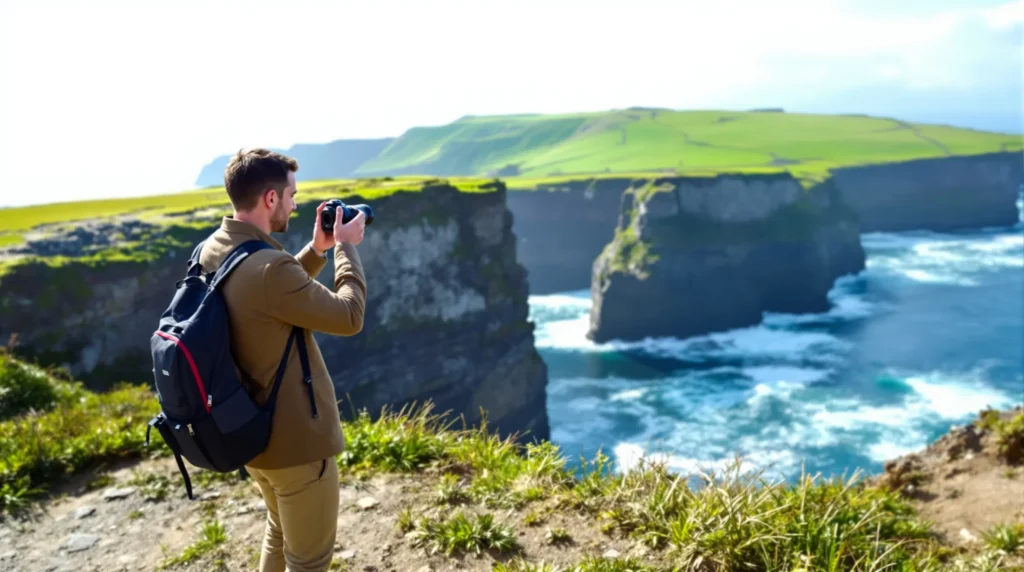
Cliffs of Moher, Giant’s Causeway, and the Ring of Kerry are famous for a reason. But crowds can kill the mood. Visit early or late in the day. For quieter beauty, try Slieve League cliffs or the Beara Peninsula. Dublin’s Trinity College and the Book of Kells are stunning, but the line can stretch for hours. Here’s a trick: book tickets online, or visit smaller libraries like Marsh’s Library for a quieter experience.
Festivals and Traditions: Join the Craic
“Craic” means fun, and you’ll hear it everywhere. St. Patrick’s Day is wild, but local festivals like Galway Arts Festival or Lisdoonvarna Matchmaking Festival offer a deeper look at Irish life. Music sessions in pubs happen year-round. If you play an instrument, bring it. You might get invited to join. Don’t just watch—participate. That’s where the stories start.
Practical Ireland Travel Tips for a Smooth Trip
- Buy a SIM card at the airport for cheap data and easy maps.
- Download offline maps—cell service can vanish in the countryside.
- Plug adapters: Ireland uses type G (UK-style) plugs. Bring a universal adapter.
- Book major attractions ahead in summer, but leave space for spontaneous detours.
- Respect local customs—don’t rush your pint, and always greet with a smile.
What I Wish I Knew Before My First Trip
I packed too much, planned too tightly, and missed the joy of wandering. The best Ireland travel tips come from mistakes: wear old shoes, say yes to invitations, and don’t panic if you get lost. The country rewards patience and curiosity. If you let go of your checklist, you’ll find the real magic—maybe in a rainstorm, maybe in a stranger’s story, maybe in the taste of fresh brown bread after a long walk.
Next Steps: Your Ireland Adventure Awaits
If you’re ready for unpredictable weather, warm welcomes, and a few surprises, Ireland will give you more than photos. It’ll give you stories. Pack light, keep your plans loose, and let the Emerald Isle show you its secrets. And if you ever find yourself lost on a country road, just ask the nearest sheep. They usually know the way.